Introduction to Folded Book Art.
Last updated: June 2, 2026


Introduction to Folded Book Art
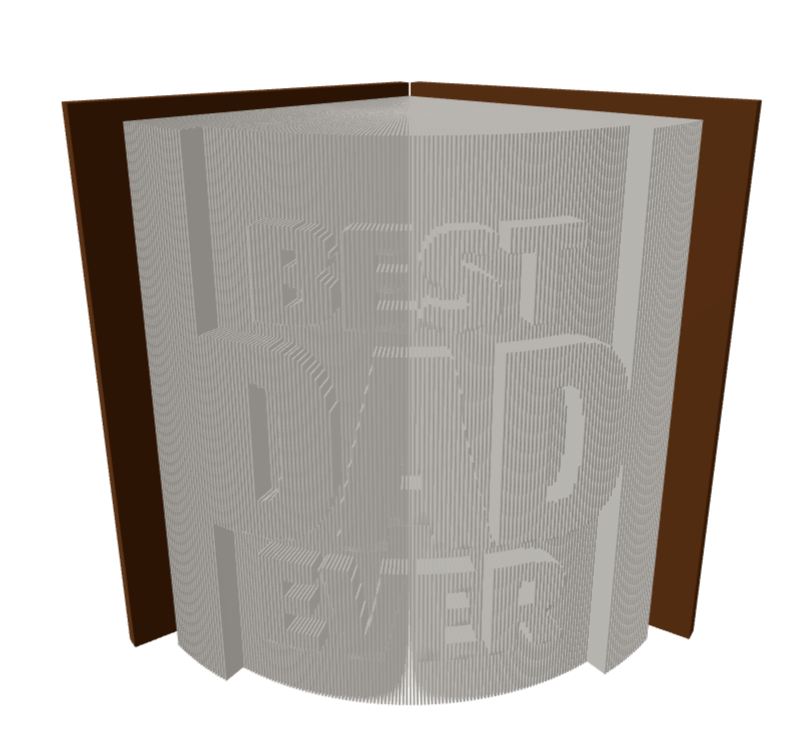
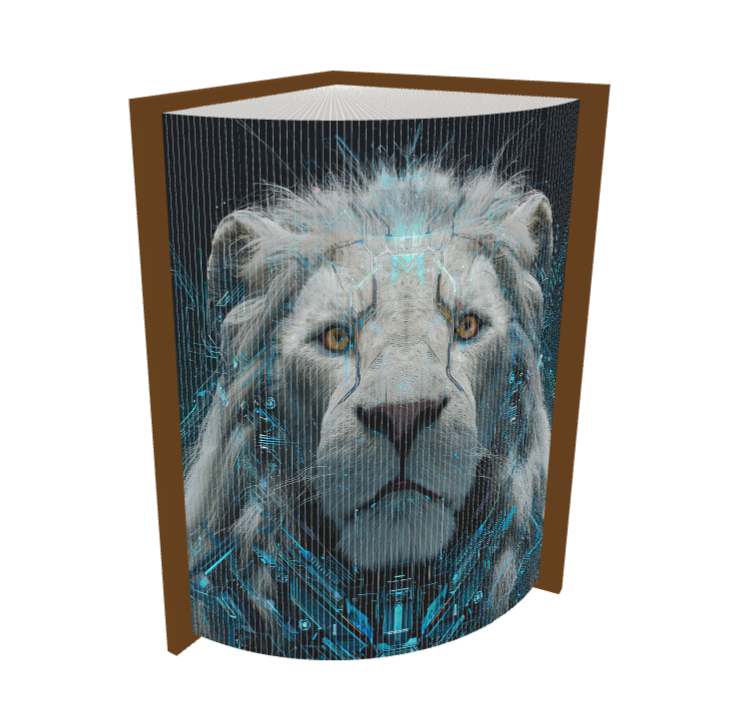
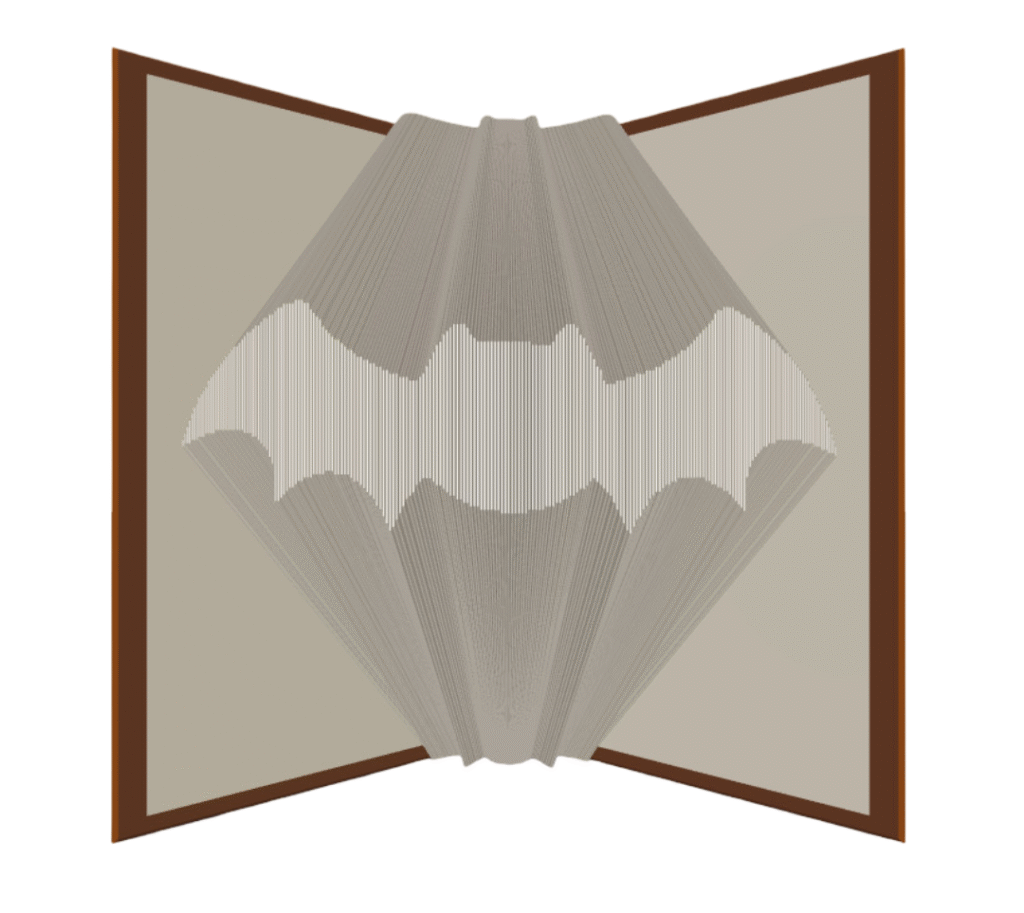
In a world increasingly dominated by digital media, the art of folded book art represents a charming blend of tradition and creativity. This fascinating craft transforms old, often discarded books into stunning pieces of art through a simple yet artistic process of folding pages. Whether you are a seasoned artist or a novice looking for a new hobby, folded book art provides a unique way to engage with literature while creating beautiful designs.
As we delve into this topic, we will explore the various aspects of folded book art, from the techniques involved to the benefits of engaging in this creative outlet. Prepare to dive into the world of transforming old books into captivating masterpieces that can bring a touch of whimsy to any space.
What is Folded Book Art?
Folded book art involves the meticulous process of folding the pages of a book to create intricate designs or shapes. Unlike conventional book art that may involve cutting or gluing, folded book art retains the integrity of the book by using folds to form patterns. These patterns can range from simple geometric shapes to complex designs that depict animals, names, or even quotes.
The beauty of this art form lies in its versatility. Artists can customize their creations to reflect personal tastes, special occasions, or themes, making it a meaningful gift or decorative item. As an emerging trend in home decor, folded book art adds a rustic charm to modern interiors, bridging the gap between literature and visual art.
Why Consider This Hobby?
Folded book art is not only a creative endeavor but also an opportunity to repurpose old books that may otherwise be forgotten. Engaging in this hobby encourages sustainability by giving new life to items that could be viewed as waste. In an age where environmental consciousness is paramount, taking part in folded book art can allow individuals to make a positive impact while expressing their artistic side.
Moreover, this craft is accessible to all skill levels. With a few basic supplies and access to patterns, anyone can start folding and crafting unique pieces. The process is generally affordable, requiring minimal materials such as a book, a ruler, and a scoring tool. This makes it an appealing option for those looking for a budget-friendly hobby that yields impressive results.
Turning Old Books into Art
Creative Ideas for Book Transformations
There are countless possibilities when it comes to transforming old books into works of art. Some popular ideas include creating heart shapes to symbolize love, crafting initials for personalized gifts, or designing intricate patterns that tell a story. For those looking for inspiration, consider creating seasonal decorations, such as Christmas trees or autumn leaves, to celebrate various holidays throughout the year.
Another exciting avenue for exploration is combining folded book art with other crafting methods. For instance, you might enhance your folded creations with paint, glitter, or embellishments to add color and texture. Alternatively, incorporating LED lights into your folded book art can create stunning illuminated displays that are perfect for home decor. The only limit is your imagination!
How to Choose the Right Books for Folding
Selecting the right books for your folded art is crucial to achieving successful results. Look for books that have pages made of thicker paper, as they tend to hold folds better and provide a sturdier structure. Older hardcover books with larger pages often work best, as they offer ample space for intricate designs.
Additionally, consider the content of the book. Opt for titles that hold little sentimental value or that you have already read, as this will allow you to feel comfortable transforming the book into art without the worry of losing something precious. Remember, the goal is to give new life to these books and appreciate them in a different form.
The Benefits of Folded Book Art
Relaxation and Stress Relief
Engaging in folded book art can serve as a powerful means of relaxation. The repetitive motions involved in folding pages can have a meditative quality, allowing you to escape the pressures of daily life. As you focus on the task at hand, your mind can drift away from stressors, promoting mindfulness and tranquility.
Moreover, the act of creating something beautiful provides a sense of accomplishment. Completing a project can boost your mood and enhance feelings of satisfaction. This art form can serve as a therapeutic outlet, providing an opportunity to unwind and explore your artistic side.
Boosting Creativity Through Art
Participating in folded book art not only allows you to express your creativity but can also stimulate your imagination. As you experiment with different designs and patterns, you may find that your creative thinking expands, encouraging you to explore other art forms or projects. This newfound creativity can extend beyond folded book art into other areas of your life, fostering a holistic approach to artistic expression.
Additionally, sharing your creations with friends and family can inspire others to try their hand at folded book art. This sense of community within the hobby can lead to collaborative projects and brainstorming sessions, further enhancing your creativity in a social context. Engaging with others who share your interests can greatly enrich the experience and provide motivation for future creations.
Getting Started with Book Folding
Finding Free Book Folding Patterns
One of the best aspects of folded book art is the abundance of free resources available for beginners. Many websites offer downloadable patterns, tutorials, and step-by-step instructions, allowing you to easily start your folded book project. Popular platforms like Pinterest host a wealth of creative ideas and diagrams, making it simple to find inspiration tailored to your artistic style.
Additionally, many online communities and forums are dedicated to book folding. These groups often share tips, tricks, and resources that can help you develop your skills. Don’t hesitate to reach out and ask questions, as fellow crafters are usually eager to assist newcomers and share their knowledge.
Resources Available at foldedbookart.co.uk
For those serious about diving into folded book art, websites like foldedbookart.co.uk offer a treasure trove of resources specifically tailored to this craft. From unique patterns to instructional videos, this site provides valuable information for both beginners and seasoned artists alike. Users can browse through various designs ranging from simple to advanced, ensuring there’s something for everyone.
Moreover, the website often features a community aspect, allowing users to share their creations and engage with others who share their passion. This can be an excellent way to find encouragement, feedback, and new ideas as you embark on your folded book art journey.
As you start exploring folded book art, you might find it helpful to work with ready‑made templates, especially while you’re learning the basics. I run a dedicated pattern site where I publish a wide range of designs for beginners and experienced folders alike. If you’d like to browse them, you can find a full collection of book folding patterns over at bookfoldingpatterns.com
Conclusion: Embrace a New Hobby Today
Folded book art stands as a beautiful marriage between creativity and sustainability, enabling individuals to transform discarded books into breathtaking visual pieces. Throughout this exploration of the craft, we have seen how easily anyone can get started and the myriad benefits that come from engaging in this art form. Whether you want to relieve stress, express your creativity, or find a meaningful use for old books, the possibilities are endless.
As you delve into the world of folded book art, remember that every creation is a unique expression of your vision and style. Take the plunge into this delightful hobby and experience the joy of crafting stunning pieces that can breathe new life into the books you cherish.
FAQs
What materials do I need for folded book art?
To get started with folded book art, you’ll primarily need an old book, a ruler, a scoring tool, and a pencil. Optional materials include decorative elements such as paint or embellishments if you choose to enhance your designs.
Can I practice with any book?
Yes, you can practice with any book, but it is recommended to use hardcover books with thicker pages for better results. Avoid books of great sentimental value until you are more comfortable with the folding technique.
Are there age restrictions for this craft?
Folded book art is suitable for all ages. While adult supervision may be necessary for younger children, older kids and teens can enjoy this creative process with appropriate guidance and materials.
How long does it take to complete a folded book art project?
The time it takes to complete a folded book art project varies based on the complexity of the design and your experience level. Simple designs may take just a couple of hours, while intricate patterns could take several hours or even days.
Happy Folding!